Source Melamine Veneer OSB Board for Furniture, Office, and Decor
Compare 30 melamine veneer OSB board options from Chinese manufacturers. Evaluate thicknesses from 6mm to 25mm, formaldehyde emission grades like E0, and surface finishes for indoor furniture, office buildings, and interior decoration projects; compare the available evidence and request quotations based on your requirements.
Key considerations
Products List




Comprehensive Sourcing Guide
Melamine Veneer OSB Board Sourcing Guide
Product Scope and Observed Listing Signals
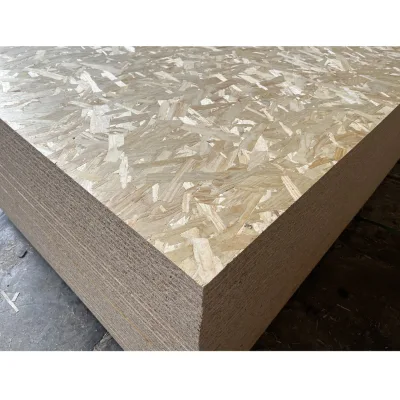
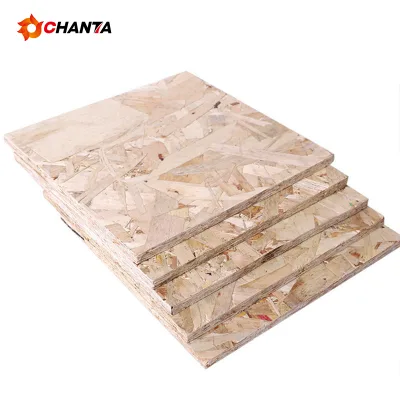
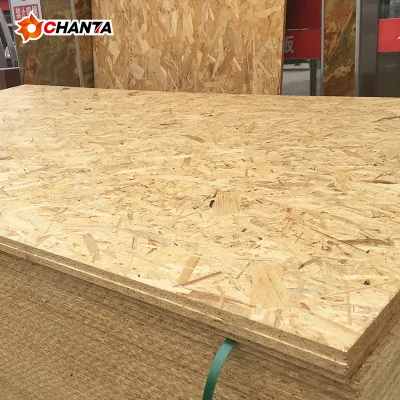
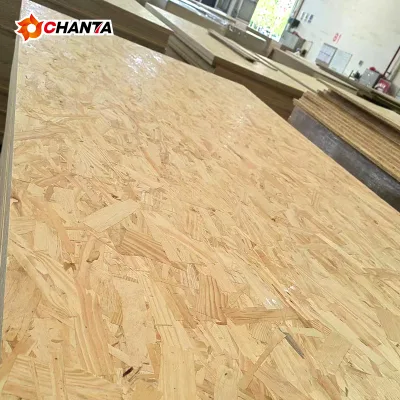
The core product category encompasses oriented strand board panels that have been finished with melamine impregnated paper or imported PET film, creating a durable, decorative surface suitable for modern interior design projects. Buyers will encounter listings that specify the material as wood fiber or wood, with a typical density ranging from 600 to 700 kg per cubic meter, indicating a solid structural base. These panels are primarily marketed for indoor applications, including office buildings and general interior decoration, where aesthetic appeal and moisture resistance are prioritized over raw structural utility.
Market observations reveal a wide variance in listed specifications, with thicknesses commonly available in 6mm, 8mm, 9mm, 12mm, 15mm, 16mm, 18mm, 22mm, and 25mm variants. Standard sheet sizes often include 1220 by 2440mm, though larger formats like 1220 by 2750mm or 1220 by 2800mm are also present in supplier catalogs. The product type is frequently described as flakeboards or chipboard, with some suppliers highlighting a single-layer structure, while others emphasize the finished surface quality, such as waterproof features or eco-friendly keywords, to differentiate their offerings in a competitive marketplace.
Technical Specifications to Verify
Procurement teams must rigorously verify the formaldehyde emission standards, as listings may cite E0, E1, E2, or even "Excellent Grade" classifications, which directly impact indoor air quality compliance. It is critical to confirm whether the board utilizes melamine, MR, WBP, or other adhesive types, as these determine the panel’s resistance to moisture and its suitability for specific environmental conditions. Buyers should also check the slab structure, ensuring that the single-layer or multi-layer configuration aligns with the mechanical strength requirements of the intended furniture or architectural application.
Surface finishing details require close scrutiny, as terms like "unfinished," "finished," or specific coatings such as melamine impregnated paper and imported PET film indicate vastly different end-use capabilities. The production process, often noted as dry-process, influences the final dimensional stability and density consistency of the board. Additionally, buyers should confirm if the model number, such as RT P55 or RT P20, corresponds to specific performance metrics, and verify if the customizable design style allows for tailored dimensions or edge treatments that fit precise project specifications.
Compliance and Safety Documentation
Sourcing melamine veneer OSB boards requires strict adherence to formaldehyde emission regulations, particularly when supplying to markets with stringent indoor air quality laws. Buyers must request official test reports that validate the claimed emission grade, whether it is E0 or another standard, to ensure the product meets legal safety thresholds for residential and commercial interiors. The presence of ISO certification is a positive indicator of manufacturing consistency, but it does not automatically guarantee compliance with specific regional chemical safety standards, so independent verification is essential.
Documentation should also cover the material composition and any hazardous substance declarations, ensuring that the melamine or PET film surface does not contain prohibited chemicals. Buyers should inquire about the warranty terms, which are often listed as one year, and clarify what defects or performance failures are covered under this period. Understanding the after-sale service options, such as online technical support or onsite inspection, provides a safety net for resolving quality disputes, but the legal basis for these services must be clearly defined in the purchase contract to protect the buyer’s interests.
Cost Drivers and Commercial Terms
The price range for melamine veneer OSB boards is highly variable, observed between 3 and 1500 USD, driven by factors such as thickness, surface finish quality, and order volume. Thicker panels and those with premium finishes like imported PET film typically command higher prices due to increased material and processing costs. Buyers should analyze the minimum order quantity, which ranges from 1 to 1000 units, to determine the most cost-effective purchasing strategy, as larger volumes often unlock significant discounts but require greater storage capacity and capital outlay.
Packaging methods, such as pallet or pallets packing, add to the logistical costs and must be factored into the total landed cost calculation. Buyers should also consider the selling unit structure, which is often listed as a single item, to avoid confusion in invoicing and inventory management. It is advisable to negotiate clear terms regarding freight and insurance, especially when sourcing from origins like Shandong or Guangdong, as transportation costs can significantly impact the final price per square meter, particularly for heavy, bulky panels.
Supplier Qualification and Quality Control
Evaluating supplier qualifications involves verifying their place of origin, with many manufacturers located in Shandong or Foshan, China, regions known for wood processing expertise. Buyers should assess the brand name, such as HONEST, and review their track record for delivering consistent quality, as the grade is often described as excellent or first-class in listings. It is crucial to request samples before placing bulk orders to physically inspect the surface finish, edge quality, and density, ensuring that the product matches the advertised specifications and design style.
Quality control protocols should include checks for dimensional accuracy, as sizes like 1220 by 2440mm must be precise to fit standard construction modules. Buyers should inquire about the supplier’s ability to support customization, including specific model numbers or thicknesses, and verify their capacity for onsite inspections if required. Establishing a clear communication channel for technical support is vital, as any discrepancies in the dry-process production or surface finishing can be addressed promptly, minimizing the risk of project delays or material waste.
Long-Term Procurement Checks
Sustainable sourcing practices should be a priority, with buyers verifying any environmental certifications, such as FSC, which indicate responsible forestry management, even if not explicitly detailed in every listing. Long-term partnerships with suppliers who offer online technical support and consistent product grades ensure stability in supply chains for ongoing interior decoration projects. Buyers should regularly review the warranty claims and after-sale service responsiveness to gauge the supplier’s commitment to product longevity and customer satisfaction.
Monitoring market trends for new surface finishes, such as advanced PET films or improved melamine formulations, can provide competitive advantages in design flexibility. Buyers should also stay informed about changes in formaldehyde emission standards and adjust their procurement criteria accordingly to maintain compliance. By maintaining a detailed record of supplier performance, including delivery times and quality consistency, procurement teams can make data-driven decisions that optimize cost, quality, and risk management for future melamine veneer OSB board purchases.
FAQs
What formaldehyde emission standards apply to this OSB board?
The product meets E0, E1, E2, and MELAMINE formaldehyde emission standards. These grades ensure low toxicity for indoor applications like office buildings and furniture decoration. Buyers can select specific grades based on local safety regulations and project requirements for interior use.
Which thickness options are available for the melamine veneer OSB board?
Available thicknesses include 6mm, 8mm, 9mm, 12mm, 15mm, 16mm, 18mm, 22mm, and 25mm. Customizable sizes like 1220*2440mm and 1220*2800mm are also offered. These dimensions support various construction needs and furniture interior decoration projects requiring specific structural properties.
Can the OSB board be customized for specific project needs?
Yes, customization is available for model numbers, sizes, and surface finishes. The product supports dry-process production and can be finished with melamine impregnated paper or imported PET film. Buyers can request specific dimensions and grades to match their unique design styles and application requirements.
What after-sale services are provided for this wood product?
Services include online technical support, onsite inspection, and other assistance options. The product comes with a one-year warranty and is backed by the HONEST brand. These support mechanisms ensure buyers receive guidance during installation and maintenance for indoor office building applications.
How is the OSB board packed for shipping from China?
The product is packed on pallets to ensure safe transport. This packaging method protects the wood fiber material during transit from origins in Shandong or Foshan, China. The pallets packing standard helps maintain the integrity of the single-layer structure boards upon delivery to international destinations.
What is the density range of the melamine veneer OSB board?
The density ranges from 600 to 700 kg per cubic meter. Some specifications indicate a standard density around 730 to 760 kg per cubic meter. This density range provides excellent structural strength suitable for furniture interior decoration and building applications requiring durable wood-based materials.
Which certifications does the OSB board hold for quality assurance?
The product holds ISO certification and meets E0 formaldehyde emission standards. These certifications verify the quality and safety of the wood fiber material. Buyers can rely on these documented standards when sourcing for projects requiring eco-friendly and compliant building materials for indoor environments.